

Sale
Men's Quest Shorts
$60.00
$13.50


Gear designed to work together so you can ride through it all.
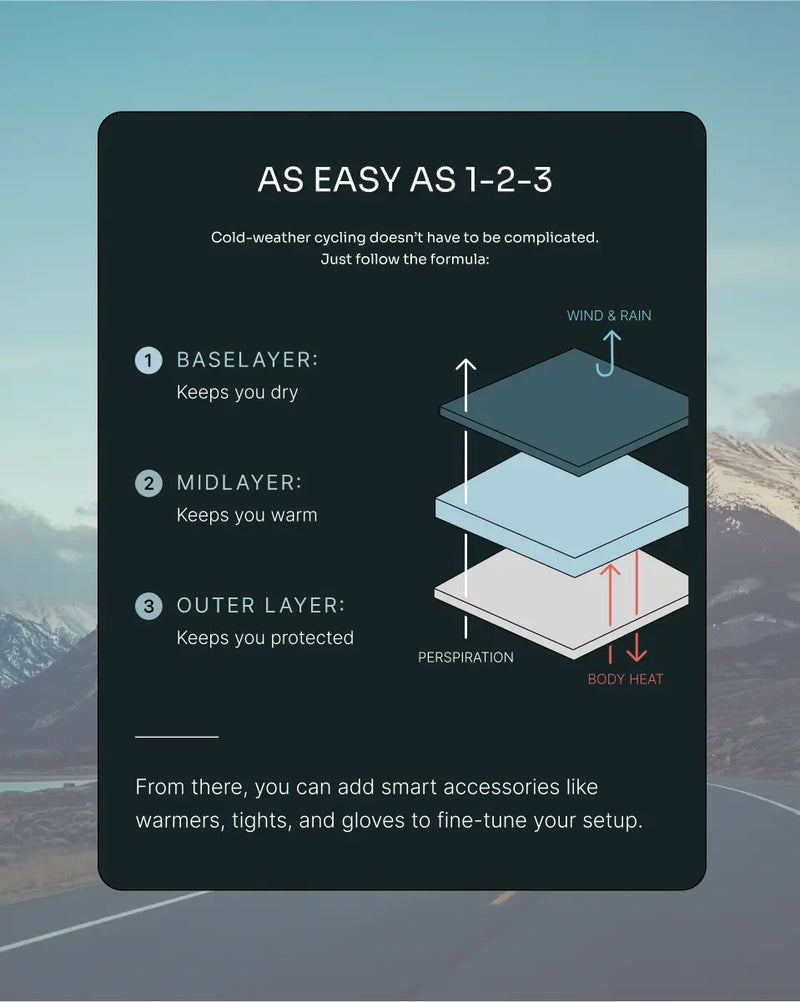
The right layers make all the difference. Build your system to manage changing temperatures, shifting conditions, and every mile in between.

THE FOUNDATION
They wick sweat, regulate body temperature, and disappear under your kit.
SHOP BASELAYERS
THE MIDLAYER
Designed to balance warmth and breathability with minimal bulk.
SHOP MIDLAYERS
THE SHIELD
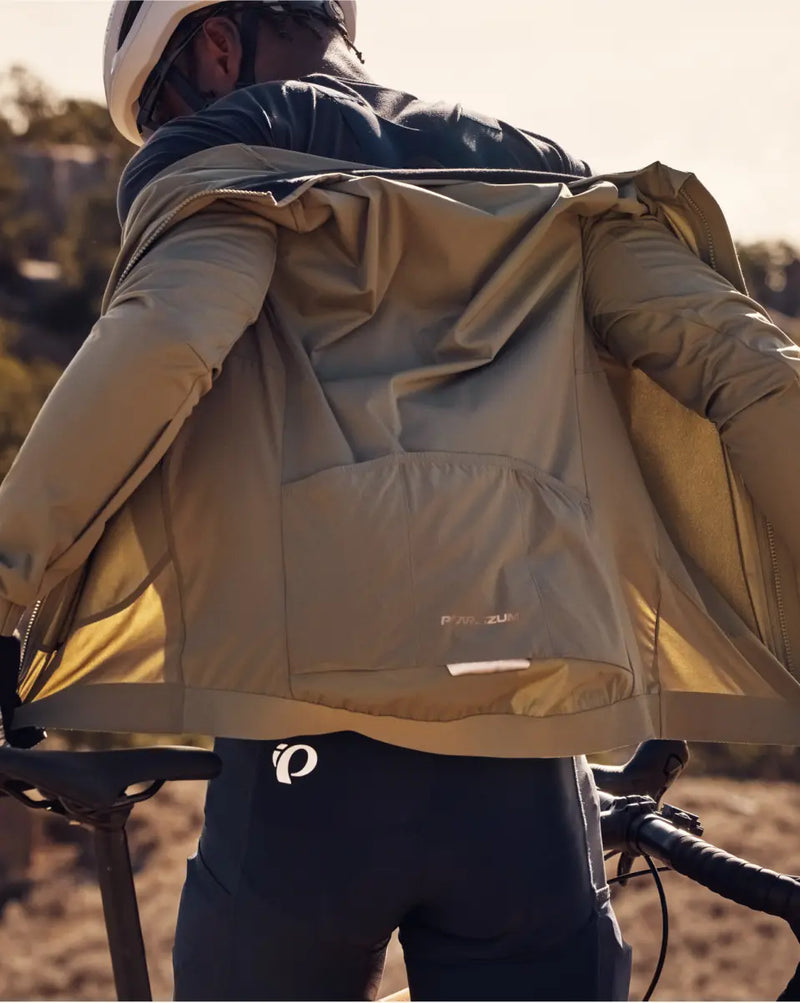
From shifting winds to dropping temperatures, find the right outer layer to keep you riding.
SHOP JACKETS + VESTS
MODULAR COMFORT
On the go adaptable warmth. Easy to stash, easy to trust.
SHOP WARMERS
LOWER-BODY ESSENTIALS
Thermal tights and waterproof pants keep you moving when temps drop.
SHOP TIGHTS + PANTS
FINISHING TOUCH
From cool-weather rides to deep winter and rain, find the right gloves for comfort, grip and protection.
SHOP GLOVES
It's motion through wind, rain, and changing light. Layering isn't just comfort—it's freedom to ride, no matter the forecast. That's why we built a system that works as hard as you do.
Use three layers that each do one job. A base layer against the skin moves sweat away, a thermal jersey or mid layer holds warmth, and a wind or waterproof shell blocks the weather. Three thin layers beat one thick one, because you can add or shed a layer as the effort and temperature change. Start with our cycling base layer guide.
A long sleeve base layer, a thermal jersey and a wind vest cover most rides in this range. Most riders switch to full finger gloves around 50°F and want real insulation below 40°F. Arm and knee warmers help when the ride starts cold and warms up, because you can pull them off and stash them in a pocket.
Keep the same three layers and step each one up: a thermal base layer, a thermal jersey and a windproof jacket. Thermal tights work best around 34 to 45°F, and AmFIB® tights add windproof softshell panels for sub-freezing rides. Hands and feet get cold first, so insulated gloves, warm socks and shoe covers matter as much as the jacket. The cycling tights guide compares the options.
Around 45°F (7°C) in the rain, wear a base layer, a thermal jersey and a waterproof shell. Water-resistant fabrics shed light showers, but sustained rain needs a fully waterproof jacket. Open the vents and zip on climbs so sweat does not soak you from the inside, then close them for descents. Our cycling jacket guide explains the difference.
Dress so you feel slightly cool for the first ten minutes. If you start warm, you sweat on the first climb, and that damp layer chills you on every descent after it. Use zips and vents to dump heat while you work, and carry a packable vest or shell to put on for long descents and stops.
Yes, especially on rides that start cold and warm up. Warmers turn a short sleeve jersey and shorts into cold-weather kit, then roll down or come off and fit in a jersey pocket when the temperature rises. They are the easiest way to adjust on the move without carrying a full extra layer. Shop arm, leg and knee warmers.
Hands and feet sit out in the wind and get cold first. Choose winter gloves with a little room to trap warm air, since a tight glove restricts circulation and makes your hands colder. For feet, pair warm cycling socks with shoe covers to block wind and road spray. Our winter glove guide and cycling sock guide cover the details.
0 items
Congrats! You qualify for FREE shipping!