


Sale
Men's Quest Shorts
$60.00
$15.00

Our cold weather system is designed to regulate your body temperature in variable conditions, from cool to cold to frigid. Our fabrics go beyond the industry standard to offer breathability and minimize bulk.
When you are riding in cool and cold conditions, every layer has a purpose. As temperatures drop, you will want to wear a quality base layer and thermal bibs that keep your skin dry. Our thermal jerseys act as an outer layer in cool conditions and a mid-weight layer in deep winter. Top it all off with a lightweight but insulated winter jacket, and accessorize with merino socks, season-appropriate gloves, and any other layers you may need.
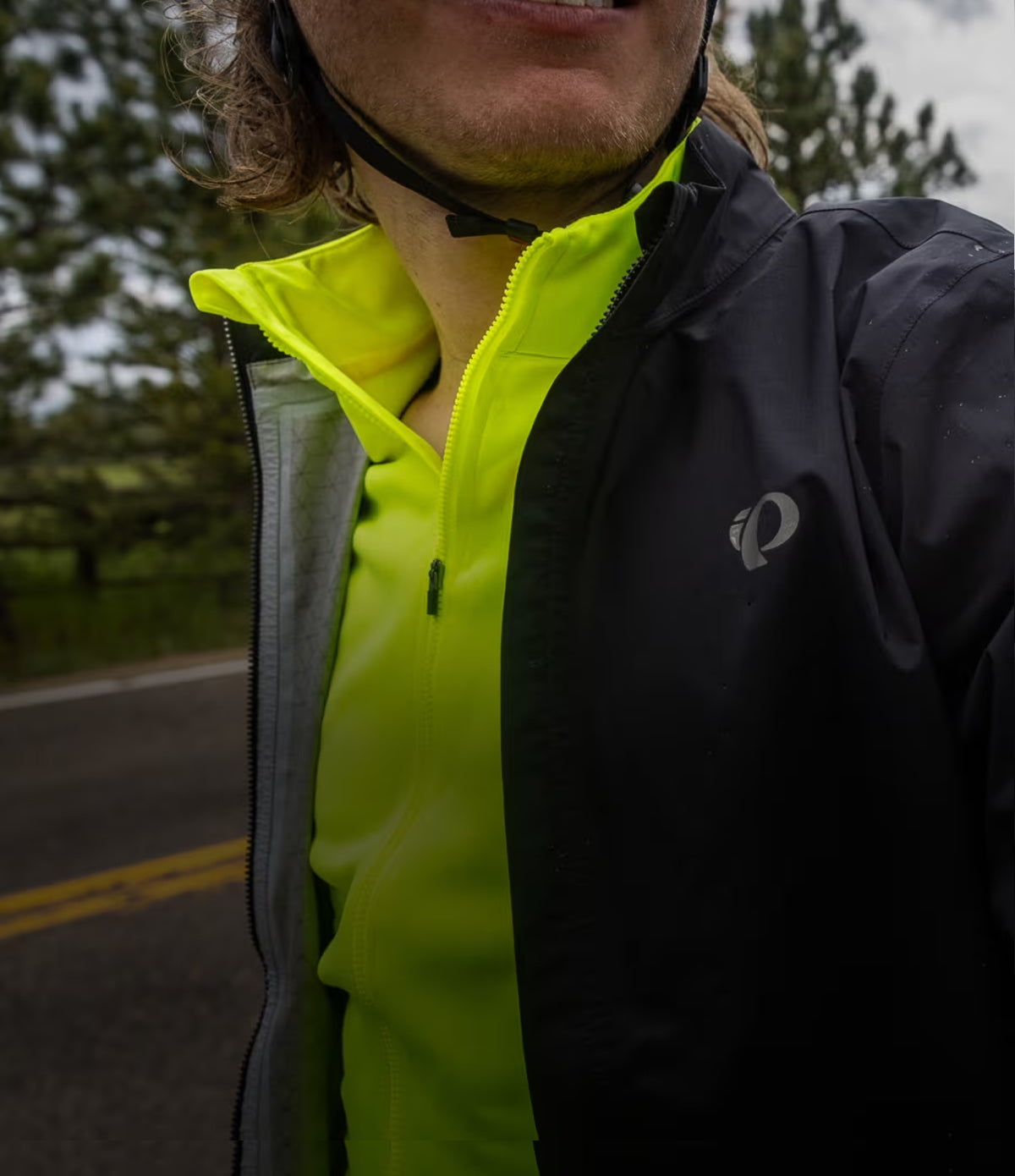
Our thermal fabrics ensure your internal temperature never drops, whether you are battling a damp or dry cold. Using lofted fibers, our thermal garments retain warmth while evaporating moisture. Each piece is made for layering, so you can use them across seasons.
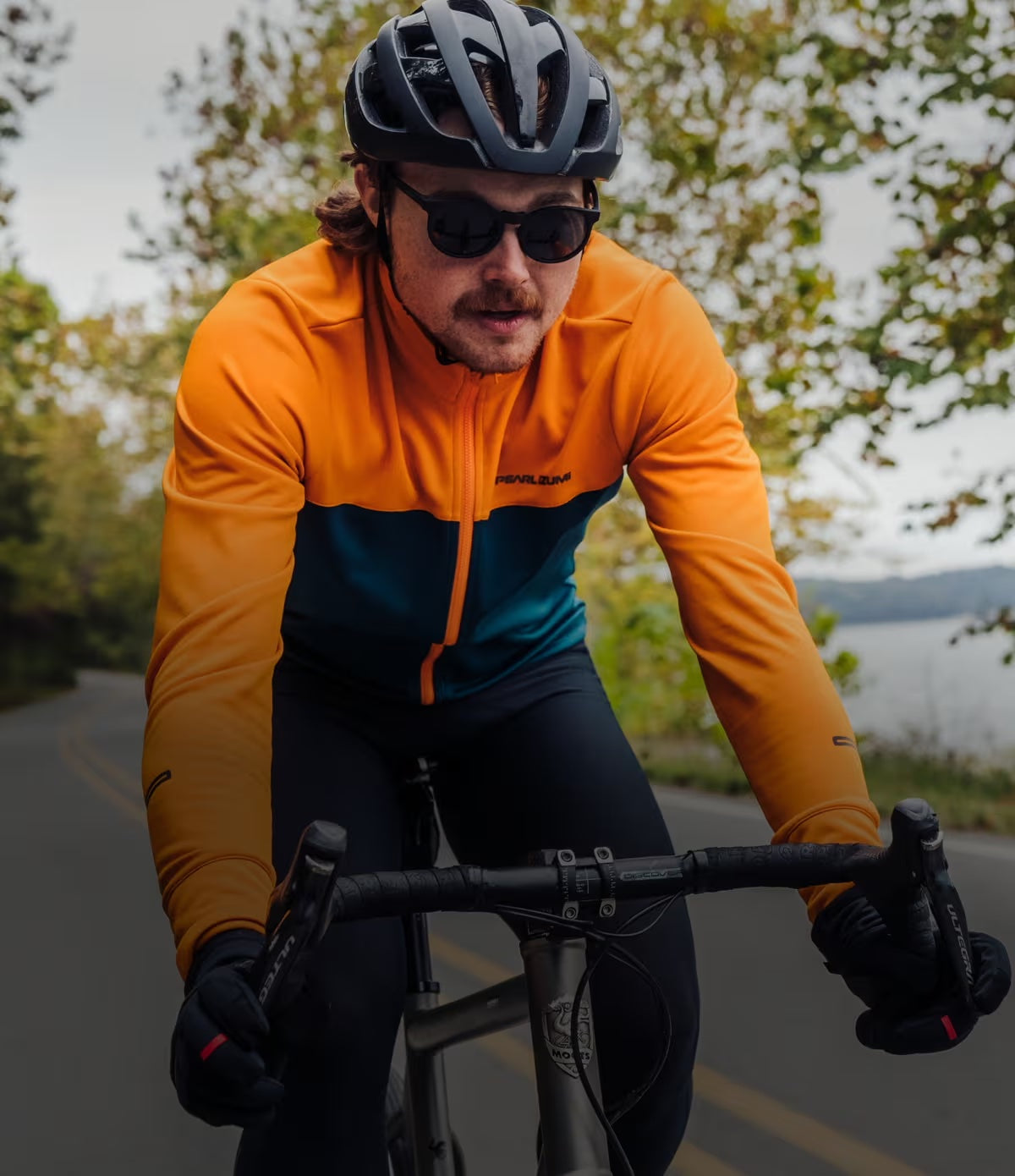
Our AmFIB® softshell fabrics protect you from wind and water and help your body retain heat, all while remaining breathable. Every AmFIB® layer is intentionally designed to protect you across cool-to-cold conditions, enabling you to stay warm and comfortable.
Our cold weather system uses a series of innovative insulation fabrics to regulate your temperature and maintain comfort.
POLARTEC® ALPHA®
Polartec® Alpha® combines warmth with breathability for aerobic efforts. Designed to regulate comfort in changing conditions, these fabrics also feel great next to the skin.
PRIMALOFT® GOLD
PrimaLoft® Gold is constructed from the lightest material on earth. This fast-drying and breathable material adds power to our thermals, without the bulk.
How to choose and layer the pieces that carry a winter ride.
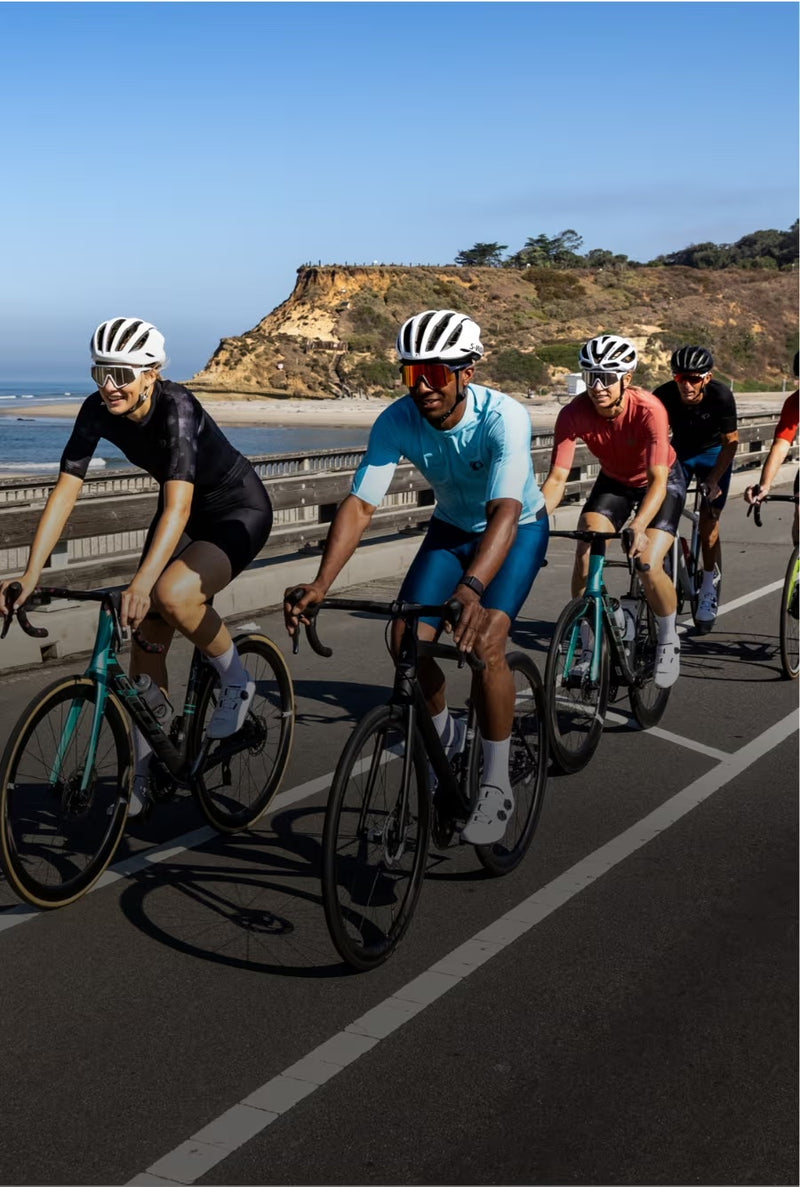
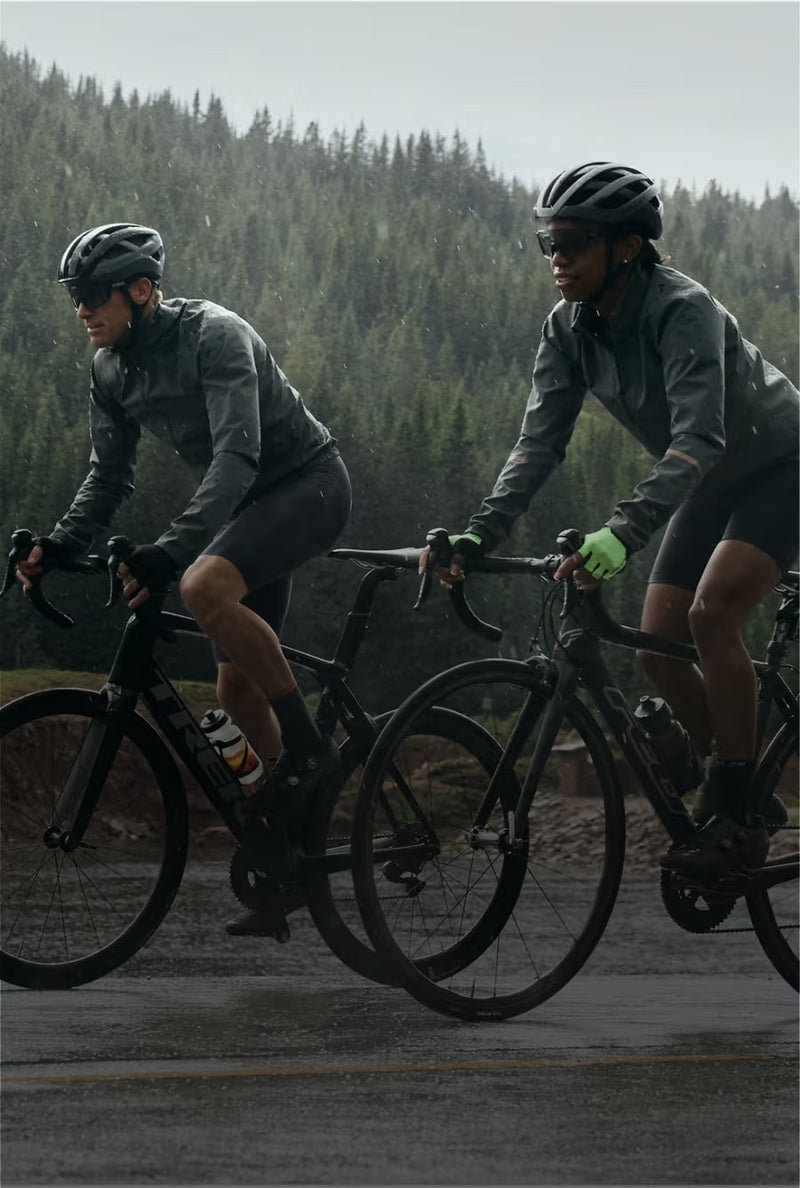
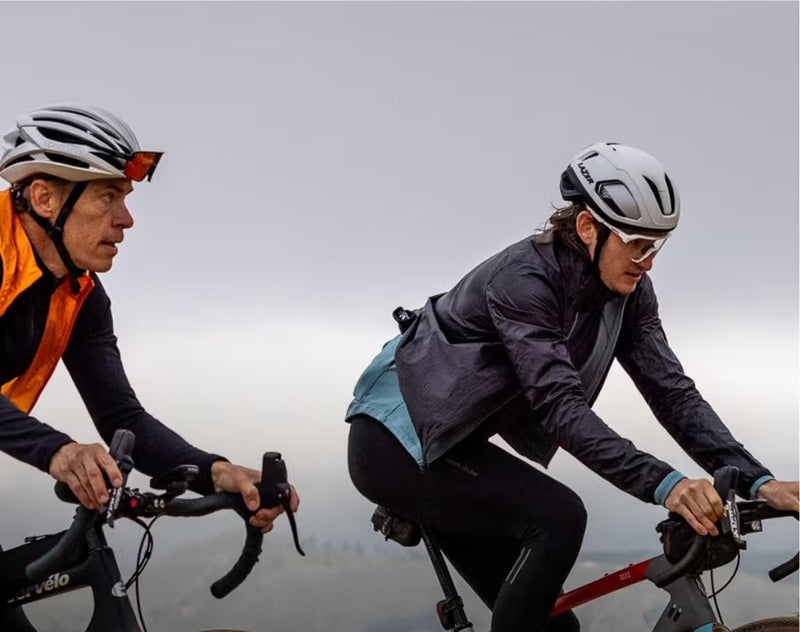
With the right layers, most riders stay comfortable well below freezing. Protect your extremities first, since hands and feet get cold long before your core does. Dress so you are slightly cool at the start and add a wind shell for descents, where the chill is worst.
Three layers, each with a job. A base layer against the skin moves sweat away, a thermal jersey or mid layer holds warmth, and a wind or water shedding shell blocks the elements. Three thin layers beat one thick one, because you can shed or add as the effort changes. Our winter layering guide walks through the full system.
Thermal fabrics use lofted fibers to retain warmth while letting moisture evaporate, which suits cool to cold conditions and layers well across seasons. AmFIB® is a softshell that adds wind and water protection on the exposed front of a garment while fleece panels release heat out the back, so it handles genuinely cold and wet conditions.
Use season-appropriate full-finger gloves and add shoe covers, which block wind far more effectively than another layer of sock. Avoid doubling up socks: compressing your foot restricts circulation and makes it colder, not warmer.
0 items
$99.00 away from FREE Shipping