



Sale
Men's Quest Shorts
$60.00
$9.00
Power, control, and connection start at your feet. Road, gravel, trail, or studio, the cleat standard and the fit decide more than the badge does.

Every ride starts here. Power, control, and connection start at your feet. Whether you're chasing miles, dirt, or new terrain, this guide breaks down cleats, styles, and features - so you can choose the right shoe for the way you ride. No fluff. Just the facts that matter.
Your shoes are more than gear - they're the link between power and motion. The wrong pair holds you back. The right ones disappear beneath you, turning effort into speed and trail into flow. Choose wisely.
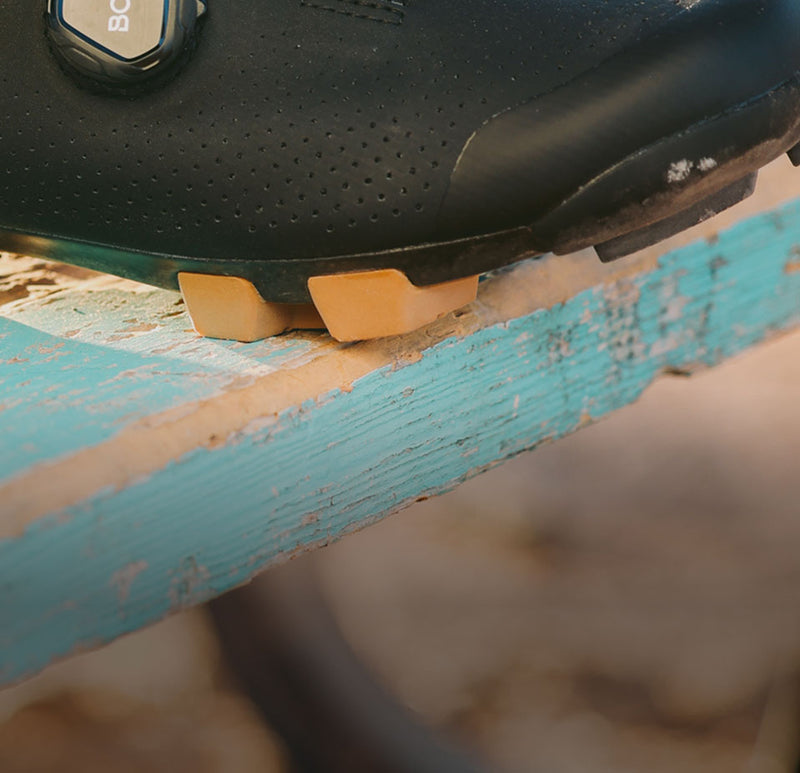
Stiffness drives power. Road shoes maximize efficiency, while MTB and gravel soles blend stiffness with flex for hike-a-bike grip and off-road feel.
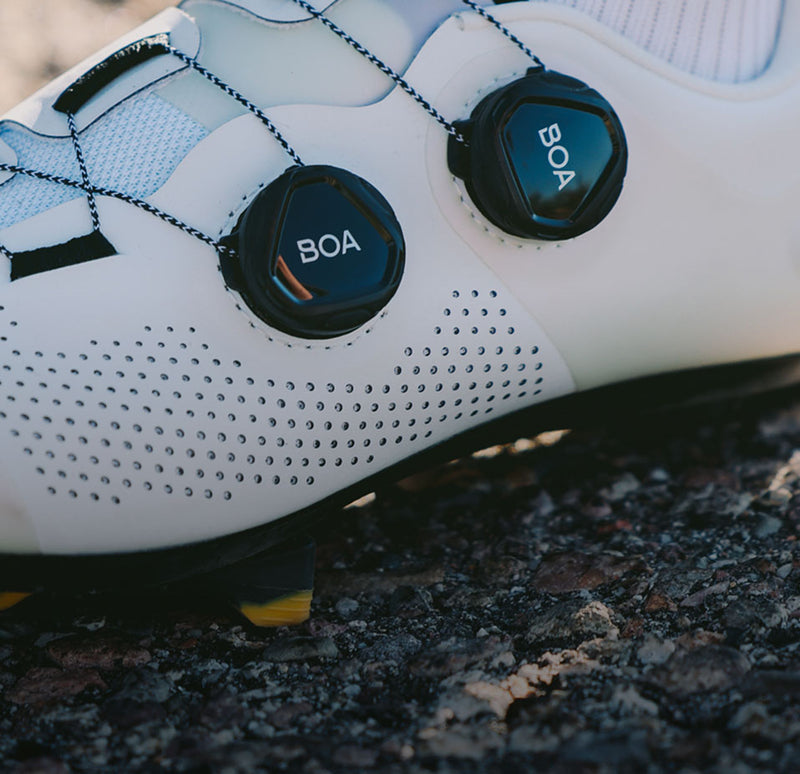
BOA® dials, offer micro-adjustability and even pressure. Velcro® is quick and simple. Laces offer retro style and customization.
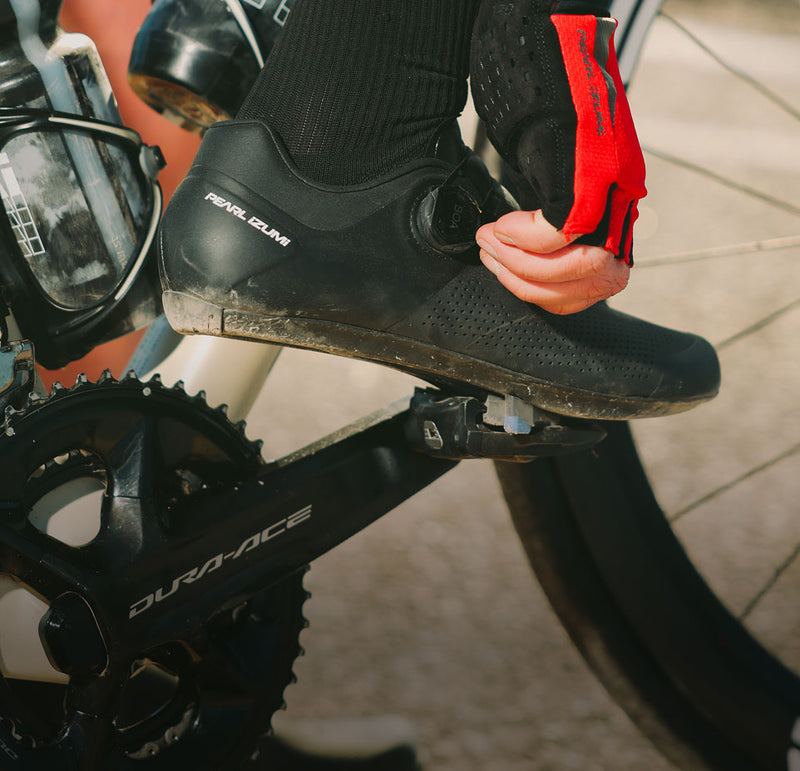
From perforated synthetics to stretch-knit blends, the upper controls how your shoe fits, flexes, and breathes. Choose right, and it stays out of your way - mile after mile.
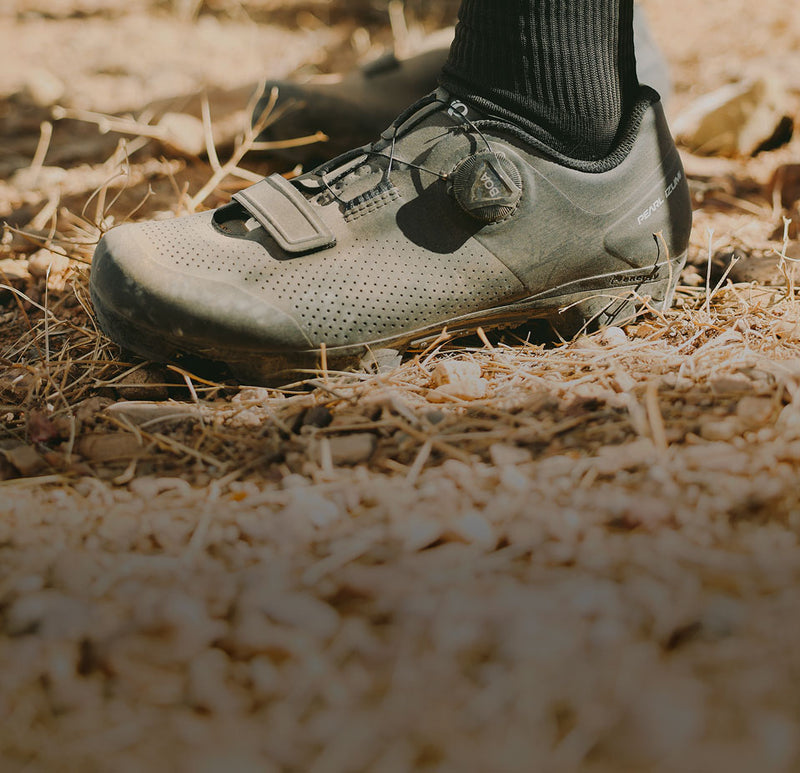
Not every ride stays on the pedals. MTB, gravel, and studio shoes feature traction-enhancing outsoles for hike-a-bike sections, café stops, or studio transitions. Choose walkable shoes if your ride includes off-bike moments.

Comfort that locks in. Power that won't quit. The PRO Road Shoe blends a dialed fit with serious performance for riders who put in real miles.
A seamless upper made from perforated synthetic leather keeps things light and breathable. Twin BOA® dials let you tweak the fit on the fly, and soft lace guides keep pressure off the top of your foot. Underneath, a stiff carbon sole puts power straight into the pedals - no wasted effort, just smooth speed. And with a supportive footbed built for long rides, you'll stay fresh from first push to final sprint.

The Expedition PRO brings road-shoe power to gravel and XC. It's lightweight, tough, and fits like a slipper.
The breathable synthetic upper is smooth and streamlined with zero hot spots. Dual BOA® dials let you fine-tune the fit on the fly, and soft TX lace guides take the pressure off the top of your foot.
A carbon sole gives you serious stiffness, wrapped in scuff-resistant TPU to handle rough terrain. Mud-shedding tread keeps things clean when the course gets gritty. Inside, a dual-density footbed keeps your feet fresh and supported - even after big miles. Go fast. Get dirty. Repeat.

The X-Alp Summit is built to go wherever the trail leads - ride, hike, scramble, repeat.
We started with a stiff-but-walkable nylon composite sole and a Vibram ECOSTEP outsole for legit traction on sketchy hike-a-bike sections. The L6 BOA® dial and toe strap combo gives you a secure fit you can tweak on the fly.
The synthetic upper is breathable and drains fast - so creek crossings don't mean soggy miles. And a reinforced toe box is there to take the hit when the trail throws a curveball. This is your do-it-all trail shoe. Clip in and go long.
PEDAL SYSTEMS
The cleat standard decides more about a shoe than the brand does. Start here.
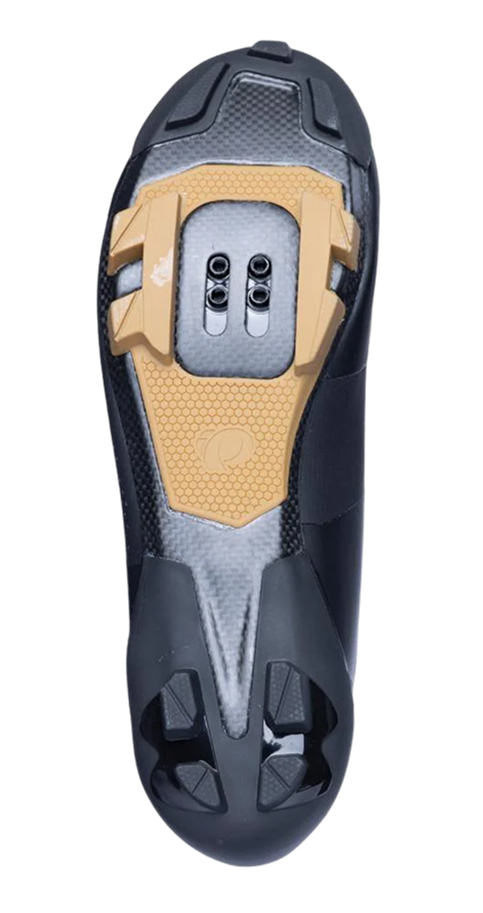
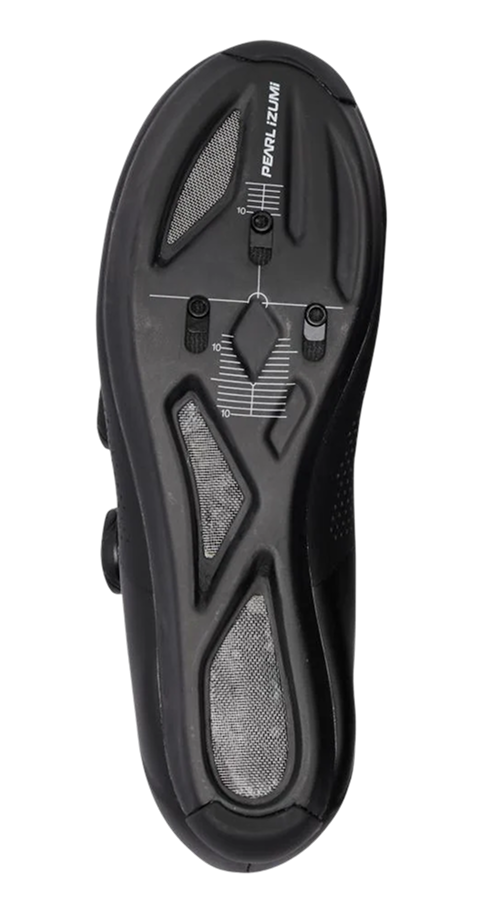
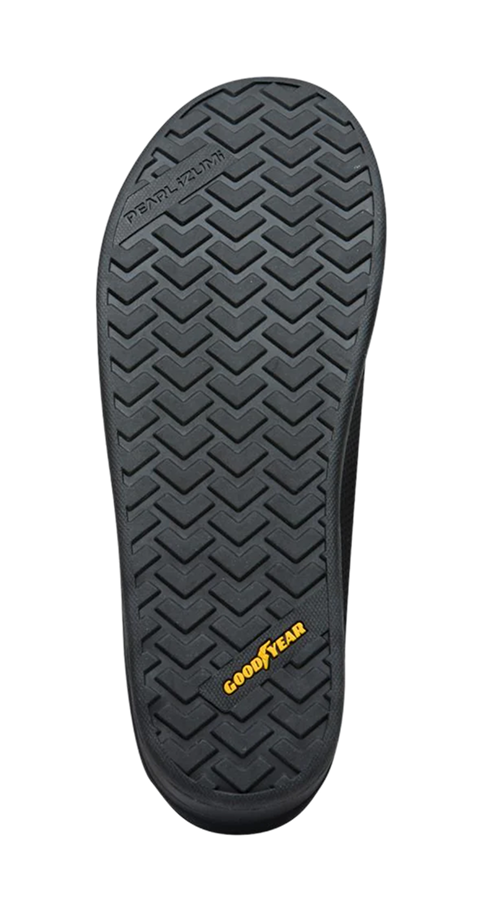
| Two-bolt (SPD) | Three-bolt (Road) | Flat pedal | |
|---|---|---|---|
| Cleat | Two-bolt, recessed into the sole | Three-bolt, sits proud of the sole | None |
| Best for | Gravel, mountain, indoor, commuting | Road racing and fast training | Trail riding and dirt jumping |
| Walkability | Good, lugged tread grips off the bike | Poor, the cleat contacts the ground | Excellent |
| Power transfer | Very good | Best, stiffest sole and widest platform | Good, depends on pedal pins |
| Entry and exit | Easy, clears mud well | Easy once set, less forgiving in grit | Instant, no clipping in |
Match your cleats to your pedals, not the other way round. If you ride more than one discipline, two-bolt SPD is the most transferable, since it works on gravel, trail, and most indoor bikes.

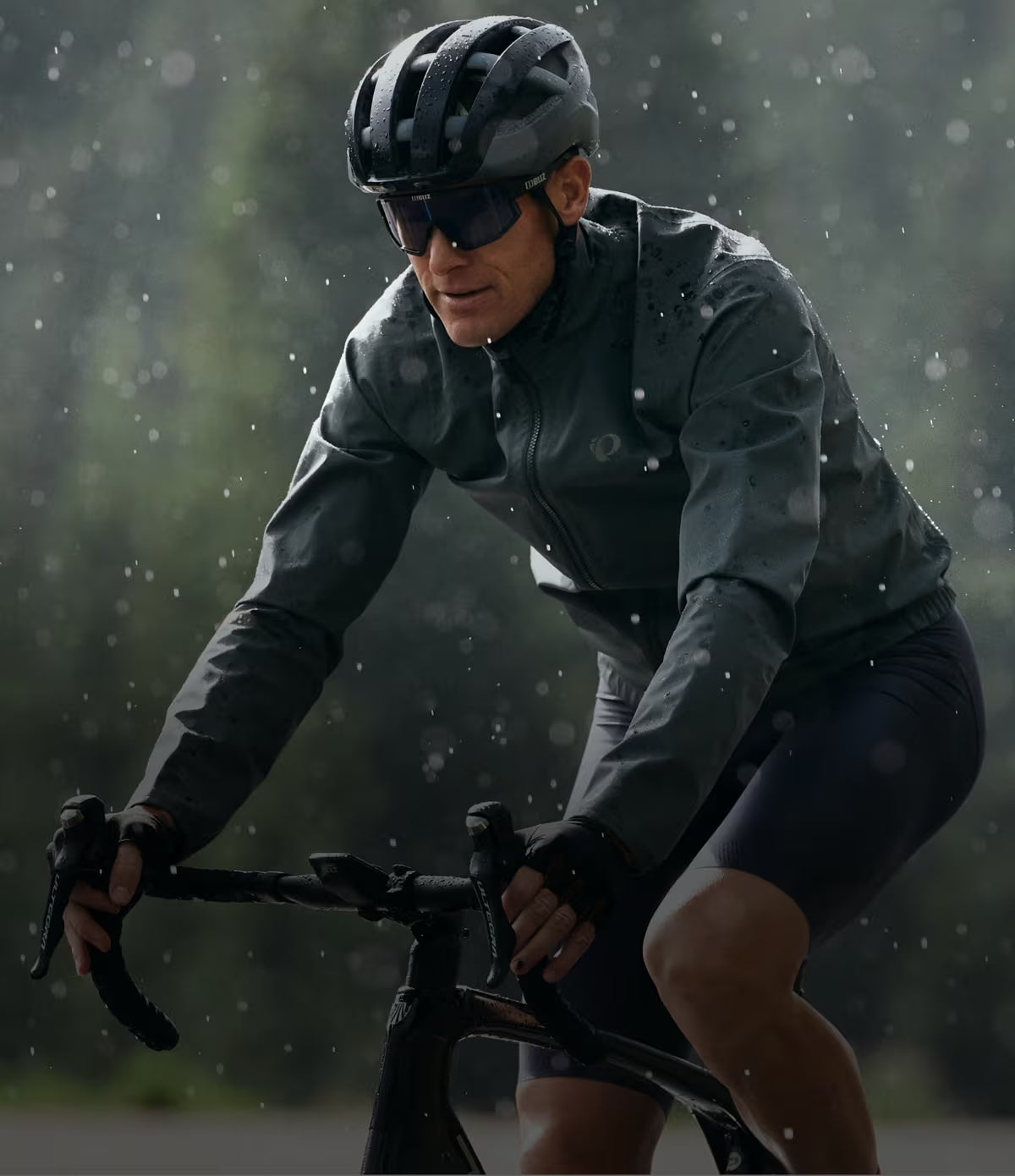
Cycling shoes are built to breathe, which is exactly what you do not want at 40°F in the rain. A shoe cover blocks wind and water far more effectively than a thicker sock, and it costs a fraction of a second pair of shoes.
It depends on how you ride:
Quick tip: All our shoes list which cleat system they use - so you can shop with confidence.
You can - it depends on what kind of riding you're doing:
Quick tip: If you want max flexibility, choose a 2-bolt compatible shoe - it gives you the freedom to ride gravel, trails, and road with ease.
Gravel-ready shoes are built for adventure riding - mixing pavement, dirt, and everything in between:
Pearl Izumi gravel-ready favorites:
→ Expedition PRO, Expedition, X-Alp Summit, Rove.
Pro tip: Gravel shoes also work great for bikepacking, touring, and mixed-terrain rides.
Snug with the heel locked down, support across the midfoot, and enough room to wiggle your toes. There should be no heel lift when you pedal hard and no toe contact on descents. Feet swell over a long ride, so measure at the end of the day and expect to loosen a closure mid-ride.
If you ride below roughly 50°F or in the rain, yes. Cycling shoes are vented by design, so a shoe cover does far more than a thicker sock. Water also runs down your legs into your shoes, which is why covers beat waterproof socks in sustained rain.
Yes, if the cleat matches. Most studio and smart-trainer bikes use two-bolt SPD pedals, so a two-bolt shoe is the easy crossover. Three-bolt road shoes work where the bike has road pedals. Indoor riding has no airflow, so prioritise a breathable upper.
Knock off grit, wipe with a damp cloth, pull the insoles out to dry, and keep them away from direct heat, which warps soles and cracks uppers. Check the cleat bolts after the first few rides and periodically after that.
0 items
$99.00 away from FREE Shipping