

Knowing how to choose cycling shoes can be the difference between a ride that feels effortless and one that never quite clicks. Your shoes are the contact point that turns effort into motion, so fit, function, and ride style matter more than most riders realize.
Whether you're logging long road miles, chasing gravel, heading into the woods, or clipping in at the studio, the right shoe helps you ride stronger, longer, and more comfortably.
Table of Contents
- Start With How and Where You Ride
- Fit Comes First
- Outsole Materials
- Closure Systems
- Upper Materials
- Walkability
- Cleat Compatibility
- Picking the Right Shoe for Your Ride Style
- Frequently Asked Questions
Start With How and Where You Ride
Before getting into materials or tech, the most important question is simple: what kind of riding do you do most?
Cycling shoes are purpose-built. Choosing the right category sets the ride up from the first pedal stroke.
- Road cycling: Prioritizes stiffness and efficiency for sustained power on pavement.
- Gravel riding: Balances power transfer with walkability for mixed terrain.
- Trail and MTB: Focuses on traction, durability, and off-bike confidence.
- Indoor and studio: Emphasizes comfort, breathability, and easy transitions.
Pro tip: If your rides span multiple styles, a versatile 2-bolt platform can give you flexibility without giving up performance.
Fit Comes First. Always.
No amount of tech can fix a shoe that does not fit right. When learning how to choose bike shoes, fit is the first filter.
A well-fitting cycling shoe should:
- Feel snug but not restrictive.
- Eliminate hot spots and pressure points.
- Hold your heel securely without slipping.
- Stay comfortable as your feet swell over longer rides.
Unlike casual footwear, cycling shoes should not dramatically "break in." If something feels off in the first few minutes, it probably will not improve after 30 miles.
Pro tip: Try shoes on later in the day when your feet are slightly swollen. That is closer to how they will feel mid-ride.
Outsole Materials
The right sole stiffness depends on where you ride and how much time you spend on or off the bike. Road riders tend to benefit from maximum rigidity. Mixed-terrain and trail riders often prefer a bit of give for comfort and control when walking or scrambling.
- Carbon soles: Maximum stiffness and efficiency for high-output road and gravel riding.
- Nylon or composite soles: Support and flexibility for long rides that include off-bike sections.
- Rubberized outsoles: Added traction for trails, hike-a-bike, and studio use.
Closure Systems
Different closure systems shine in different riding scenarios. Performance-focused riders often value fine-tuned adjustability. Others prefer straightforward comfort with minimal fuss.
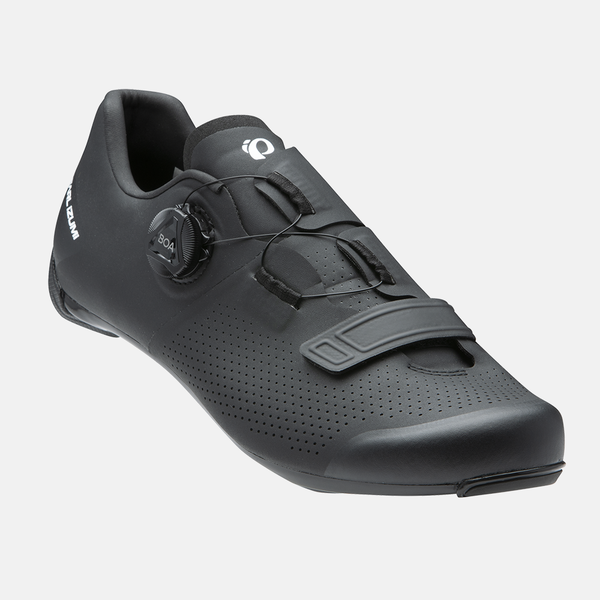
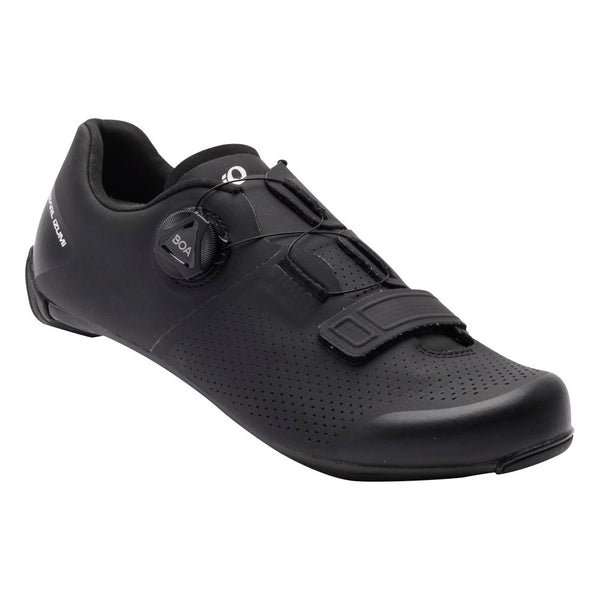
- BOA® dials: Allow quick, on-the-fly adjustments and even pressure distribution, making them ideal for long rides and high-output efforts.
- Hook-and-loop straps: Easy to use and reliable, perfect for studio sessions, casual rides, or riders who want simplicity.
- Laces: Offer lightweight comfort and a customizable feel, with a clean, understated aesthetic.
Upper Materials
From perforated synthetics to stretch-knit blends, the upper determines how the shoe fits, flexes, and breathes. Done right, it stays out of your way mile after mile.
- Perforated synthetic uppers: Enhance ventilation while maintaining durability and shape.
- Knit or stretch-blend uppers: Adapt to your foot for a more forgiving, sock-like fit.
- Reinforced zones: Add protection in high-wear areas for gravel and trail riding.
Walkability
Not every ride keeps you clipped in. MTB, gravel, and studio shoes use traction-focused outsoles to handle hike-a-bike moments, café stops, and studio transitions with confidence.
When your ride includes time off the pedals, walkability becomes part of performance. Shoes designed for mixed terrain let you move easily, wherever the route goes.
- Treaded outsoles: Enhance grip on dirt, rock, and slick surfaces.
- Recessed cleats: Provide a more natural, stable walking feel.
- Heel bumpers and rubber zones: Boost durability and everyday traction.
Cleat Compatibility: Getting the Right System
Cleats matter. Not every shoe works with every pedal, so understanding cleat systems is essential when figuring out how to buy cycling shoes.
2-Bolt Cleats
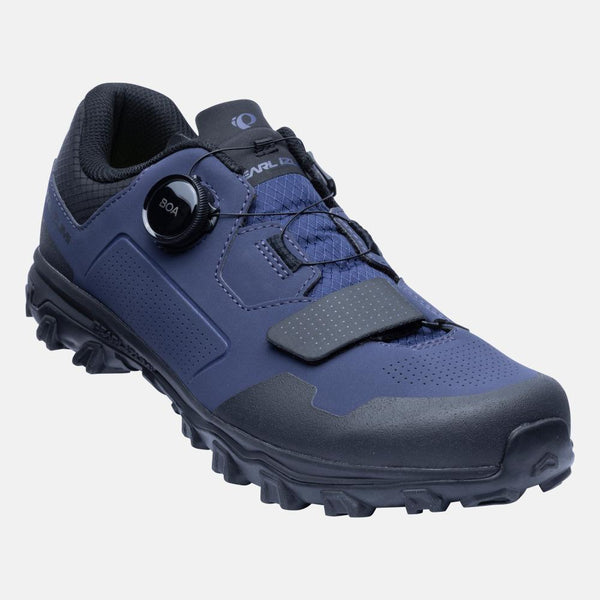
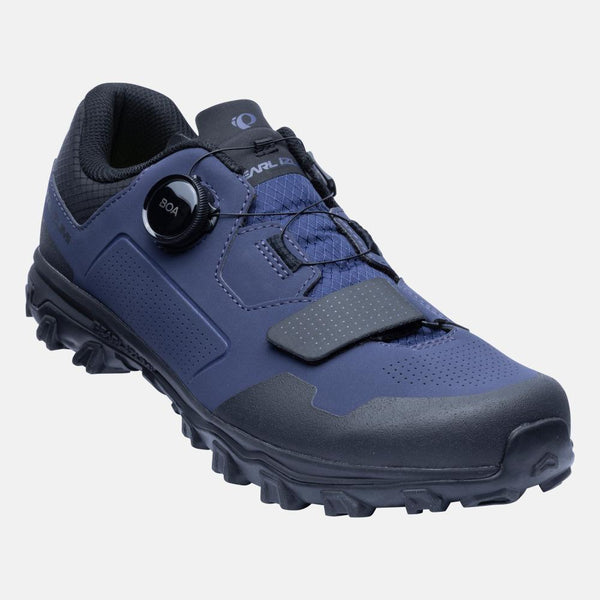
2-bolt, SPD-style cleats are common for gravel, mountain biking, commuting, and indoor riding. The cleat sits recessed into the outsole, which makes walking easier and improves traction off the bike.
Best for: gravel, MTB, bikepacking, commuting, studio, and mixed-terrain riding.
3-Bolt Cleats
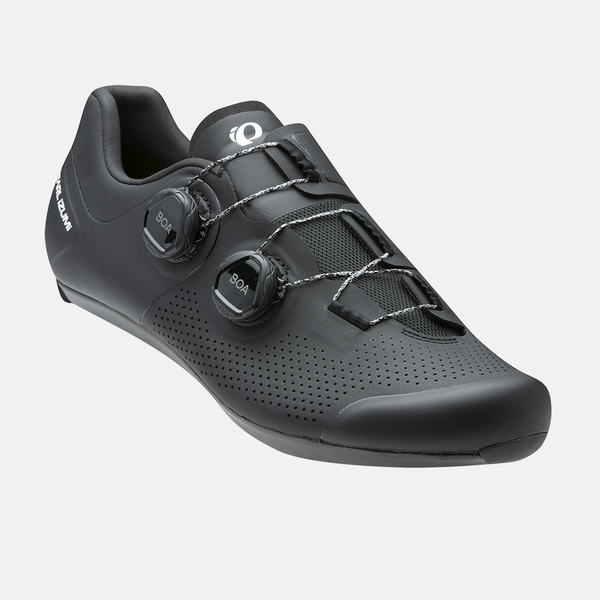
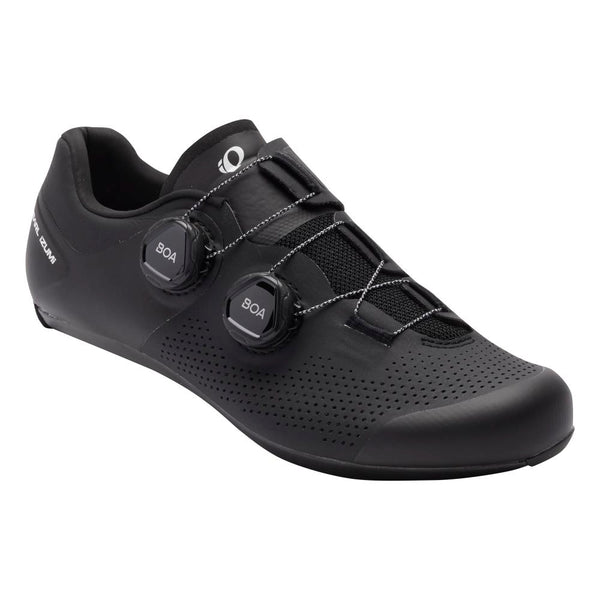
3-bolt cleats are common for road cycling. They use a wider platform designed for efficient power transfer and a locked-in road feel, but they are less walkable than recessed 2-bolt systems.
Best for: road riding, racing, group rides, and sustained pavement efforts.
Picking the Right Shoe for Your Ride Style
Here is a quick way to narrow things down:
- Road riders focused on speed: Prioritize stiffness, low weight, and locked-in fit.
- Gravel riders chasing adventure: Look for efficiency with added traction and comfort.
- Trail riders and bikepackers: Choose durability, grip, and all-day comfort.
- Studio and indoor riders: Favor breathability, easy adjustment, and walkability.
When the Shoe's Right, You Forget It's There
When you have chosen well, your cycling shoes do not demand attention. They quietly convert effort into motion, keep your feet comfortable, and let you focus on the ride ahead.
Whether you are chasing watts, dirt, flow, or sweat-dripping studio sessions, the right shoe makes every ride feel better. Start with fit. Match the shoe to your riding style. Let performance follow.
Shop All Men's Cycling Shoes | Shop All Women's Cycling Shoes
How To Choose Cycling Shoes: You've Got Questions. We've Got Answers.
Which cleat system do I need for cycling shoes: 2-bolt or 3-bolt?
It depends on how and where you ride. 2-bolt, SPD-style cleats are versatile and easier to walk in - great for gravel, MTB, commuting, and indoor cycling - while 3-bolt cleats are designed for efficient power transfer on the road.
Try 2-bolt: Expedition PRO, Expedition, X-Alp Summit, X-Alp Canyon, Rove.
Try 3-bolt: PRO Air, Attack, Quest Road.
Can I use the same bike shoes for different types of riding?
Yes - sometimes. If you ride a mix of gravel, trails, commuting, or indoor sessions, 2-bolt-compatible shoes tend to work across more riding styles because they are easier to walk in and handle mixed terrain better than road-only shoes.
Try multi-use 2-bolt: Expedition, X-Alp Summit, X-Alp Canyon, Rove.
Try road-focused 3-bolt: PRO Air, Attack, Quest Road.
What makes a bike shoe gravel-ready?
Gravel-ready shoes are built for long rides that mix pavement, dirt, and everything in between. They typically combine 2-bolt cleat compatibility, walkable traction, durable uppers, and comfort that holds up for big miles.
Try: Expedition PRO, Expedition, X-Alp Summit, Rove.


